

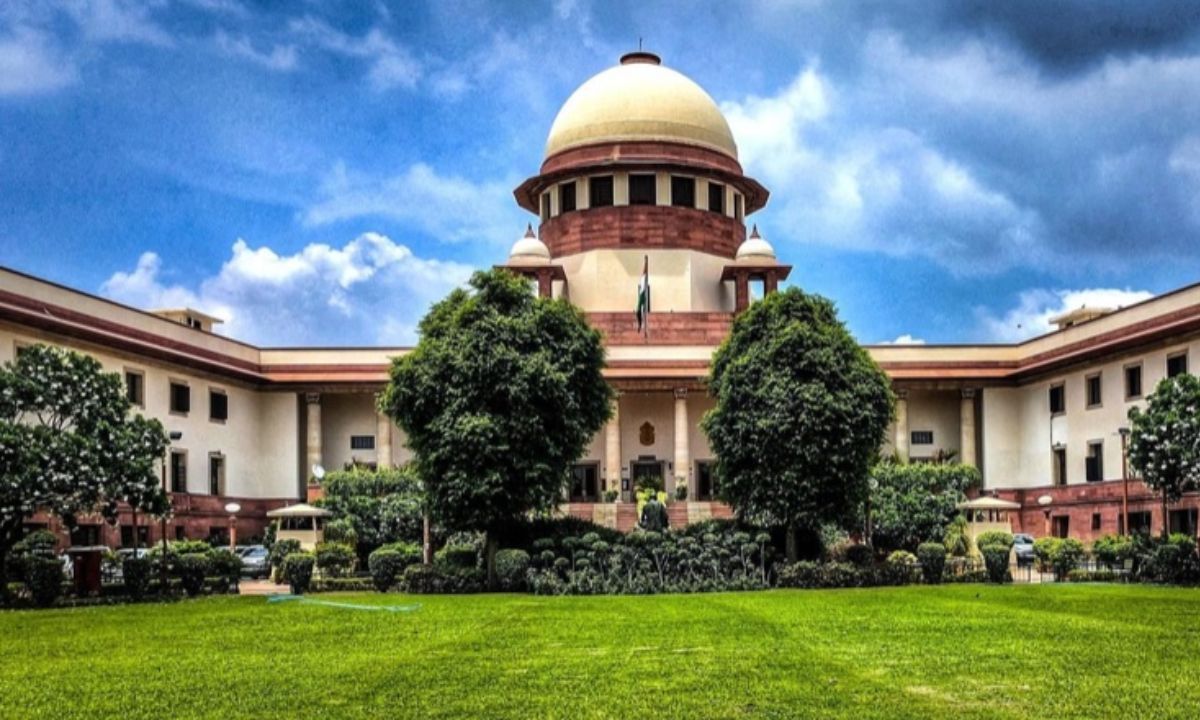
A nine-judge bench has begun reviewing pleas related to the discrimination of women in religious places, including Sabrimala Temple. For the unversed, in the 2018 judgement, the court had allowed women of menstruating age to enter the temple. During the proceedings of this hearing, the bench will primarily examine Articles 25 and 26 that deal with freedom of religion and religious denomination. The Solicitor General started with the opening arguments.
Who Is Presiding Over The Bench?
The nine-judge bench is presided over by the Chief Justice of India Surya Kant. It includes justices B.V. Nagarathna, M.M. Sundresh, Ahsanuddin Amanullah, R. Mahadevan, Prasanna B. Varale, Aravind Kumar, Joymalya Bagchi and A.G. Masih. The Union Government will be represented by the Solicitor General Tushar Mehta. In its opening statement, the centre said that a limited definition of everything that makes a ‘religious denomination’ would only restrict Hinduism, which was actually expressed through multiple diverse sects, traditions, faiths and groups. As per the news reports, Senior advocate Indira Jaising also said that as of now, the Sabarimala judgement will stay effective. The court will resume hearing on April 8, again.
What Did The Solicitor General Say?
In his arguments, the Solicitor General put forth many arguments. He opposed the opinion that women are treated any differently in our country. As per The Hindu report, Tushar Mehta said that we were the only country to bow before the female deities, from the President of the country to the judges of the Supreme Court. He also chose to differ from the statement made in the 2018 Sabarimala Case that women were “untouchables”. The SG said that India was not as patriarchal as the West believes it to be.
The SG also argued that the women were allowed in the Lord Ayyappa temple except Sabarimala, and called it a “sui generis case”, which means a unique case. He further opined that the religious practices should be respected. He added that the religious practices cannot be considered issues of personal choice. In his argument, the SG also stated that the prohibition of a certain age group from entering religious places should not be viewed as discrimination. He further added that the courts’ power to enact social reforms was limited, and it was the duty of the legislatures instead.
Also Read: Finally! Sabrimala Allows Women To Enter The Temple
Solicitor General’s statement dismissing patriarchy in the country seems to come from a place of ignorance. There are multiple cases of gender discrimination in our society, which is proof of the inequality that women continue to face. Dowry killings, r*pes, and honour killings continue to make headlines in our country. Pay disparity, s*xual harassment at workplaces, strict gender roles in houses, and so much more still contribute to the suppression of women in our country. Are we really so delusional as to think that India is not a patriarchal country? Is worshipping female deities an acceptable argument in 2026?
What Is The Sabarimala Case?
In 2018, the five-judge bench presided over the Sabarimala Temple judgement. The verdict was in favour of the petitioners, and it lifted the age-old ban that restricted women of menstruating age from entering the Ayyappa shrine, Kerala’s Sabarimala Temple.
In 2019, a five-judge bench presided over by the then CJI Ranjan Gogoi addressed the petitions around gender discrimination in religious places at a broader spectrum.