Who Are You Without Your Job Title? The Identity Crisis Women Face When Starting Again
A reflection on career, identity and what it really means to start over.
For 28 years, I knew exactly how to introduce myself. My job title, the organisations I worked with and the career I had built usually said it all. I had spent years working across hospitality and aviation, including with Hyatt Hotels and Lufthansa. My role brought recognition, responsibility and a reassuring sense of certainty. Then I stepped away. Suddenly, the question “What do you do?” became unexpectedly difficult to answer. Without the familiar designation attached to my name, I found myself confronting a far more unsettling question: Who was I without my job title?
We often speak about career transitions in practical terms. We discuss financial planning, transferable skills, networking and the next opportunity. What we rarely acknowledge is the identity crisis that can accompany starting again. For many women, identity is built around a collection of roles. We are professionals, daughters, partners, mothers, caregivers and emotional anchors for our families. We become so accustomed to fulfilling what each role requires that we rarely pause to ask who we are beyond them.
A job title can become particularly powerful because it gives us external validation. It tells the world where we belong, what we have achieved and why our opinions matter. When that title disappears, whether through choice, redundancy, retirement, caregiving or burnout, it can feel as though a part of our identity has disappeared with it. That’s why walking away from a role you’ve known for years can feel like losing a part of yourself, even when you know deep down that it’s time for something new.
Also Read: How Eli Lilly Flouted Advertising Rules From India To The US
When I stepped away from my corporate career, I did not immediately feel liberated. I felt uncertain. I had experience, knowledge and leadership skills but no longer had the institutional identity that had framed them for nearly three decades. I had to learn how to value what I carried within me without waiting for an organisation or designation to validate it. That process eventually became the foundation of SecondAct.
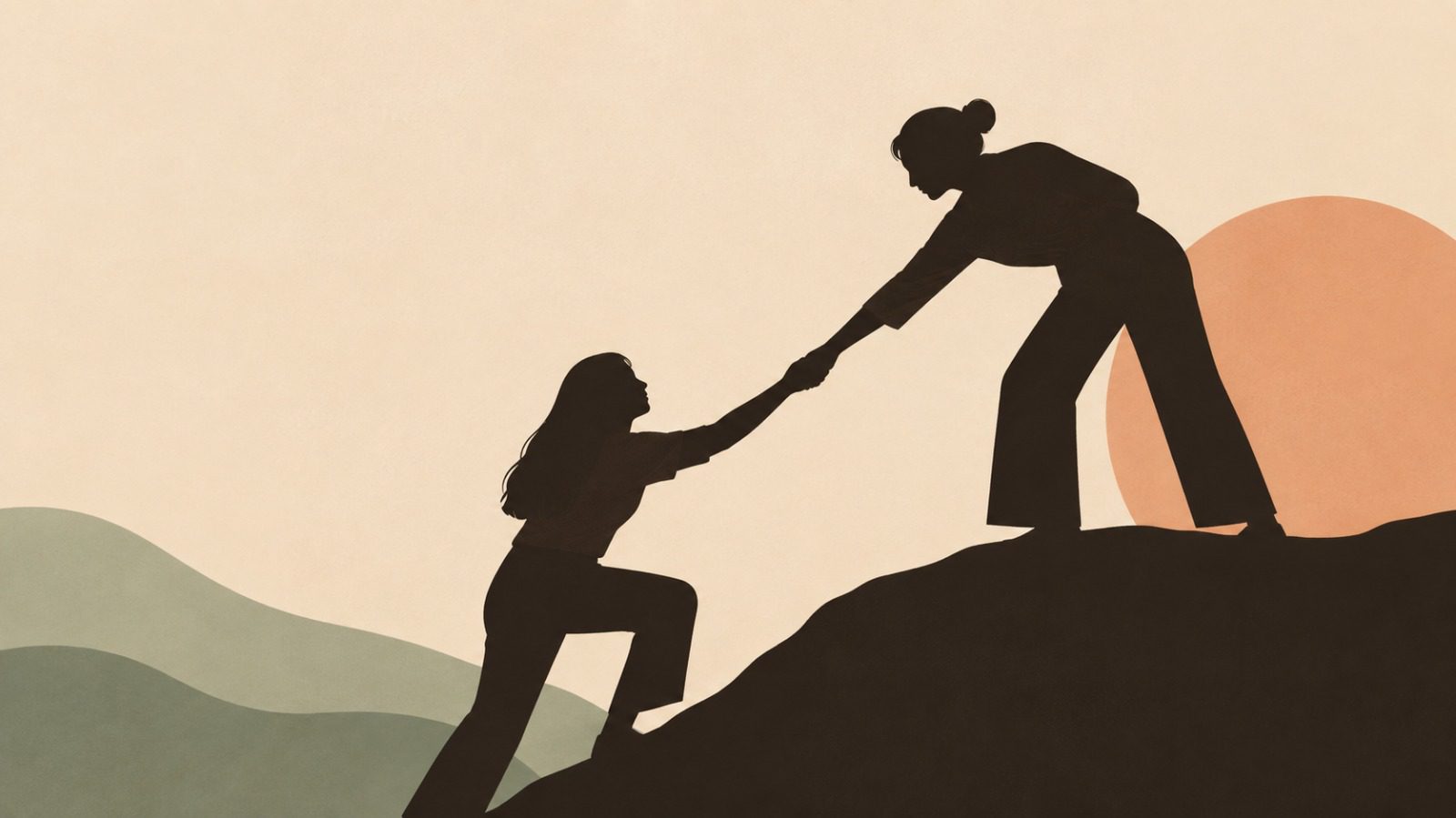
I began to understand that a second act is not merely a career change. It is an identity transition. It asks you to separate who you are from what you have done and examine what remains when the familiar labels fall away. This can be especially complicated for women because we are often taught to make responsible choices rather than expansive ones. Even when our lives appear successful, wanting something different can be accompanied by guilt. We start wondering if wanting something more means we’re being ungrateful. We worry about disappointing the people who have known us a certain way for years.
But starting over doesn’t mean rejecting the life you had before. It just means you’ve changed. The life you built doesn’t lose its value just because you choose to build something new. The skills, relationships, failures and lessons accumulated over the years become the raw material for what comes next. My corporate career did not disappear when I founded SecondAct. It gave me the discipline, empathy and leadership experience to build it. What changed was how I chose to use those qualities.
Starting again also does not require an immediate, dramatic leap. One of the most damaging myths surrounding reinvention is that we must have a perfect plan before taking the first step. In reality, most second acts begin quietly. They begin with a conversation you have been postponing. A course you are curious about. A forgotten interest you decide to revisit. A small project that allows you to test a possibility without demanding that it become your entire future. Instead of asking, “What should I do for the rest of my life?”, ask, “What would I like to explore next?”
That shift makes reinvention feel less like a final examination and more like an experiment. You do not have to know exactly who you are becoming. You only need to give yourself permission to discover her. Through SecondAct, I have met women navigating career breaks, leadership fatigue, changing family roles and the uncomfortable space between who they were and who they are becoming. Their circumstances differ, but the underlying fear is often the same: If I let go of the identity I know, will the next one be valuable enough?
The answer does not arrive through another designation. It emerges when we stop measuring ourselves only through productivity, status and other people’s expectations. A second act is not about erasing your first one. It is about choosing what you want to carry forward and what you are finally ready to leave behind. Your first act may have been shaped by circumstances, expectations and the need to prove yourself. Your second act can be shaped by intention.
So, who are you without your job title?
Perhaps you are not meant to have an immediate answer. Perhaps the freedom lies in finally allowing yourself to ask the question.
Author: Archana Dutta, Founder, SecondAct
Archana Dutta is the founder of SecondAct, a platform that helps people navigate life’s transitions and consciously design what comes next. A certified Designing Your Life coach, she works at the intersection of life design, identity, purpose and possibility, creating spaces where people can pause, question the lives they have inherited and imagine what a more intentional next chapter could look like.
After nearly three decades in leadership roles across hospitality and aviation, including with Hyatt Hotels and Lufthansa German Airlines, Archana left the corporate world in 2020 and embarked on her own SecondAct. At the heart of her work is a simple belief: our first path is often inherited, but the next one can be claimed. SecondAct is ultimately about creating the courage and space to ask a deeply personal question: What do I want my life to look like now?
Also Read: 4 Feminist Battles Gloria Steinem Helped Bring Into The Mainstream
First Published: September 24, 2026 4:09 PM