

The Supreme Court is the highest authority in law, extending the definition to gender parity and other reforms. A recently released survey conducted by the Supreme Court Bar Association (SCBA) reveals a rather jarring statistic. This was a nationwide survey that asked the views of 2,604 women in legal professions. 81.3% women believe their male counterparts had it easier rising in their profession. This means that over 8 out of 10 women think they have had it harder in the legal field. Additionally, 63.7% of the surveyed women said the legal profession was “discouraging at some point” due to this reason.
Women In Legal Fields Don’t Have It Easy, Supreme Court Bar Association Survey Indicates
Isn’t it funny that the women who are supposed to fight discrimination in courts think that their job has an inherent bias towards men? It gets even more shocking as one goes further into the survey.
16.1% women said they had been s*xually harassed at some point, a number that many believe is skewed due to severely underreported assault claims. Then, of those who complained about the discomfort they faced, 57% faced some form of retribution, such as being excluded from important work or other repercussions.
Whether or not one is in the legal field, women who suffer from workplace harassment and report it are often sidelined. However, legal professionals are probably aware of the reprisal measures they can take. Imagine these women still facing institutional backlash when they work with courts built to protect such happenings.
More than 70% of women opined that their gender made professional networking difficult. This was exacerbated by the fact that over 8o% were first-generation lawyers, meaning they had no access to generational networks that make for long-term clientele.
Are There Many Women In Legal Professions At High Positions?
The Chief Justice of India presented the report based on their survey on March 22, 2026, acknowledging the inherent biases existing in the legal field for women on the basis of gender. Apart from the above, it even touched upon the fact that there were only 0.4% of Supreme Court Advocates in the sample size.
What does it mean? Women probably don’t get promoted as easily as men (53.9% believe senior designations are easier for men). On the other hand, they perhaps lack opportunities or infrastructure (60% say work opportunities are limited), which do not meet their needs. Additionally, issues with networking, burgeoning work-life balance, and, of course, pay disparity, ensure that fewer women get promoted and more face burnout (from 84 to 94.4%).
Also Read: Ashok Kharat Case Horror Grows With 35 Videos Of 8 Women Being Assaulted Found. More Inside
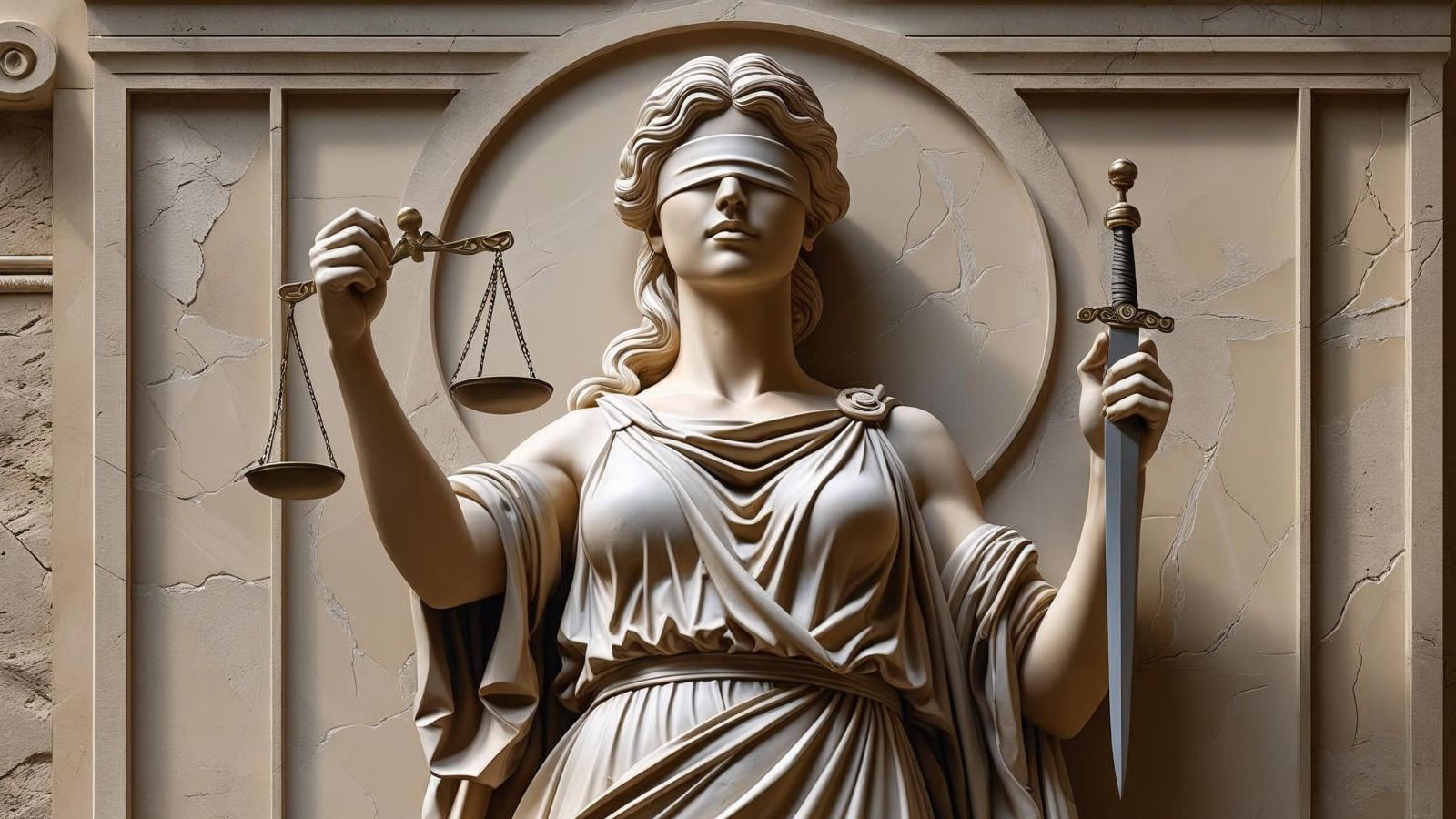
While most women legal professionals surveyed (80.5%) believe that having reservations for women judges at the High Court and Supreme Courts would ensure things are different. However, it indicates a bigger systemic issue. Reservations with no infrastructure to support them are entirely meaningless. Women who enter the legal services at any level need mentors, offices, as well as supportive staff and employers. Most of all, though, women need assurance that their professional career will not be affected by their gender. Lady Justice is a woman, but can legal women get justice?
Also Read: Why Does Menstrual Leave Need To Be Compulsory Despite The Supreme Court’s Rejection?