


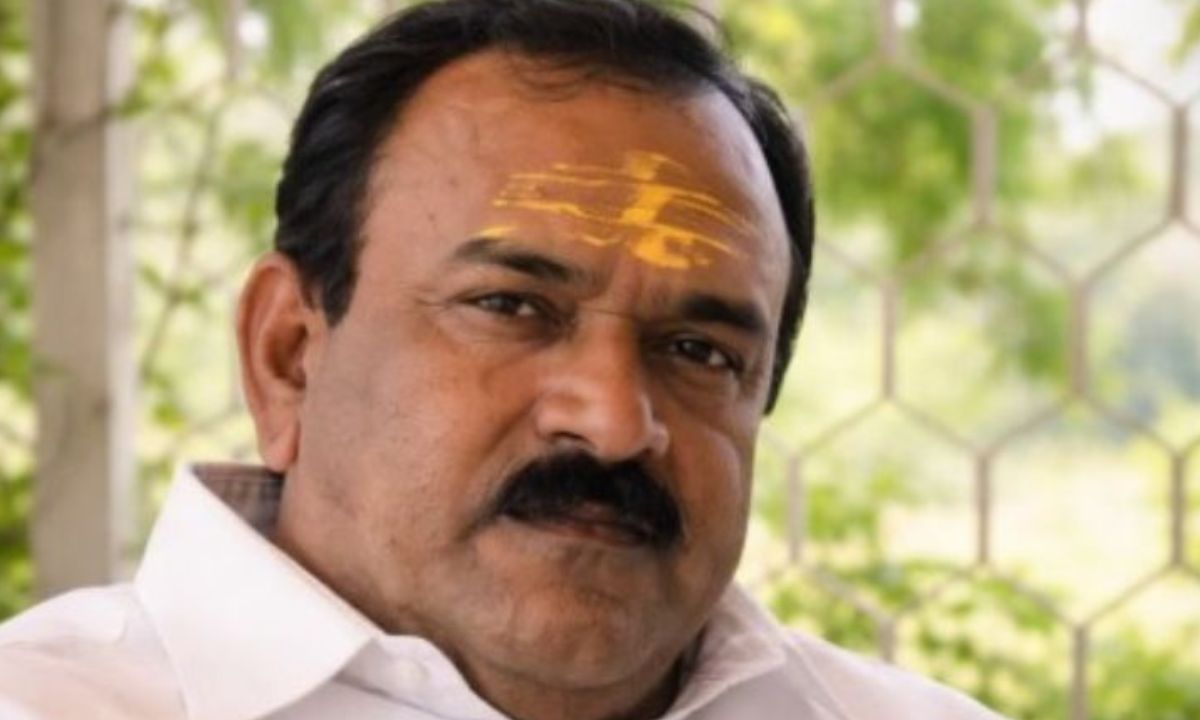
Harish Rana’s Right To Die With Dignity Marks A Landmark In India’s Legal History
A historic Supreme Court verdict sparks a crucial conversation on dignity in death in India.

Harish Rana, the first-ever case of passive euthanasia sanctioned by the Supreme Court, passed away on March 24, 2026, at 4.10 pm. It marks a landmark in dying with dignity in India. Set to become a standard for further cases, he was cremated in Delhi on March 25. Read more about who Rana was, what happened to him, and why this decision is so important in the debate for dying with dignity in India.
Harish Rana Died Naturally After Doctors Withdrew Life Support As Dictated By The Court
On March 11, 2026, the Supreme Court granted Rana the “right to die with dignity”. Since there was no scope of recovery for the comatose 31-year-old, it allowed the doctors from the All India Institute of Medical Sciences, Delhi (AIIMS), to withdraw life support.
Harish Rana was a bright student at Panjab University in 2013. In a tragic accident, Rana fell off the fourth floor of the apartment where he was staying. Since then, he had been in a coma and required support to breathe, eat, excrete, and more.
His health has been deteriorating, and his family moved to the Supreme Court recently to allow him to die with dignity. Eventually, the court acquiesced as there was very little chance of him ever recovering.
He was moved from his parents’ home to the AIIMS, where a team of doctors carefully withdrew the equipment that was keeping him alive. His mortal remains were cremated at Delhi’s Green Park in a quiet conclusion with friends and family present.
Harish Rana, 31, was an engineering student at Panjab University in Chandigarh. In Aug 2013, he fell from a 4th-floor balcony, suffering severe brain damage (diffuse axonal injury) that left him in a permanent vegetative state—quadriplegic, fully dependent on a feeding tube for… https://t.co/rvsJETGWO2 pic.twitter.com/84KrjiYQ2Y
— Aurelia 🍁 (@Aureliaa____) March 25, 2026
In 2018, India’s apex court permitted persons to make a living will. This means that people can deny life support, such as ventilators or CPR (cardiopulmonary resuscitation), by preparing a document beforehand. They can also give a family member the right to make important decisions on their behalf in case things go wrong. Notably, active euthanasia, which refers to medically halting a terminally ill person’s life, is not permitted in India.
Also Read: 81.3% Women Lawyers Say Men Have It Easier, That’s Not A Gap, It’s A Systemic Failure
First Published: March 26, 2026 11:49 AM