
EXCLUSIVE: How Have Mumbai Restaurants And Smaller Eateries Coped With The LPG Gas Cylinder Crisis In India?
Mumbai’s LPG shortage reveals a stark divide as restaurants adapt with induction while street vendors struggle to survive.
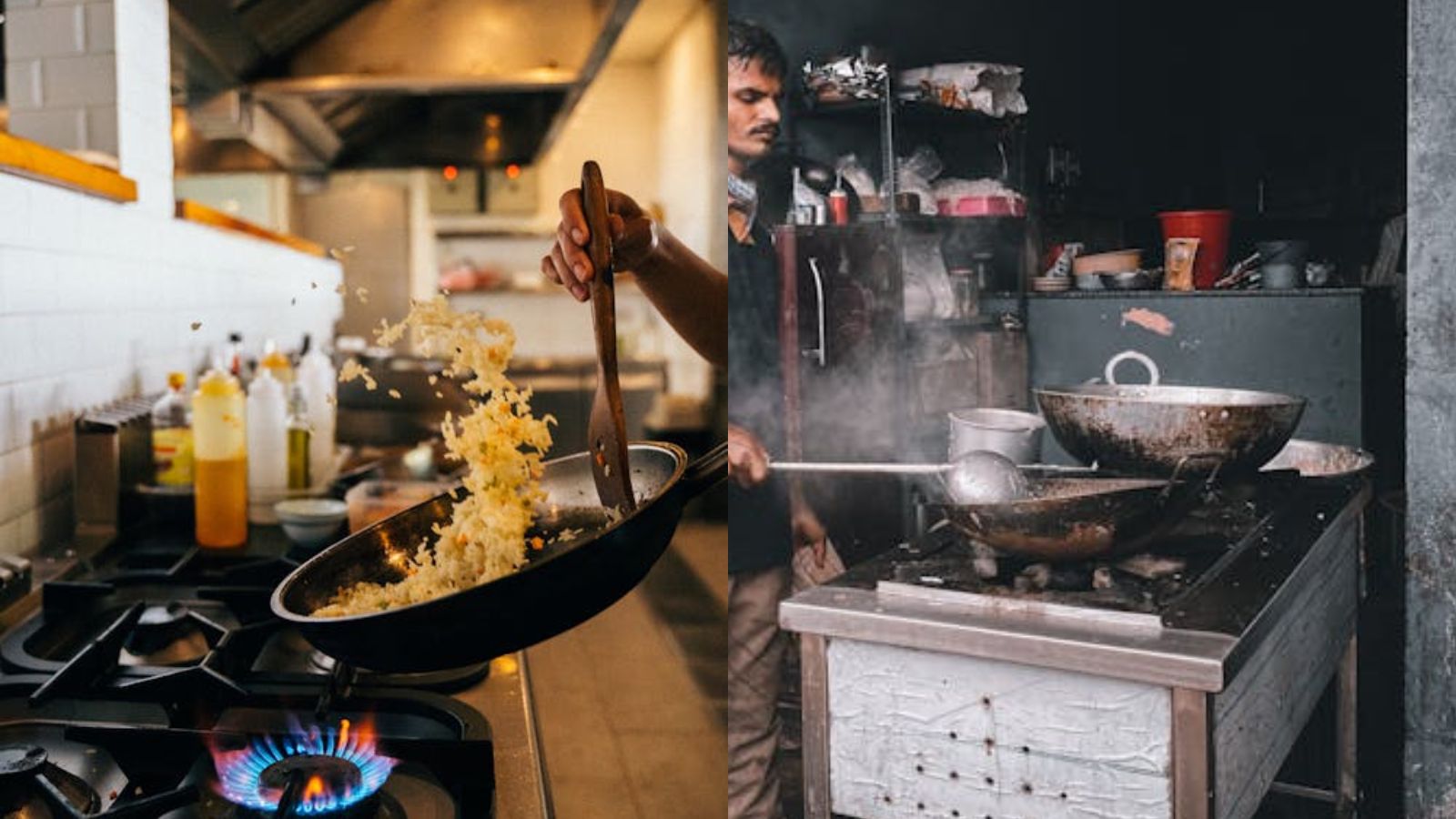
The war in the Middle East has affected people from around the world. India, in particular, is facing a shortage of LPG gas cylinders, a necessity for day-to-day cooking. According to The Guardian, about 20% of global fuel exports that came through the Strait of Hormuz are affected by the current conflict. South Asia has suffered the most, with people’s daily fuel falling short. While the government has sought to prioritise household requirements, commercial eateries have suffered. From big restaurants to roadside street vendors, we spoke exclusively to several establishments to understand how this nationwide crisis changed how Mumbaikars serve food.
EXCLUSIVE: Mumbai Restaurants Say They Adapted With A “Mix Of Induction And Gas” And Have Become “Mindful About Existing Gas Supply”
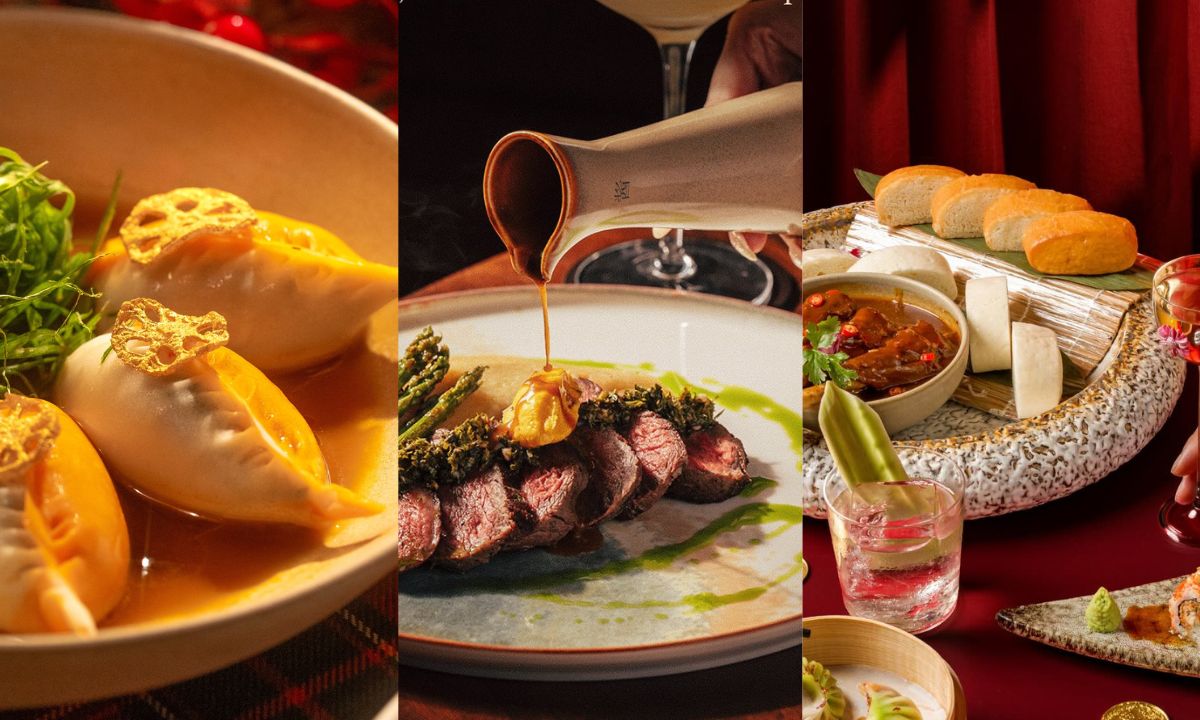
Nikhil K Rochlani, Managing Partner of Butterfly High and Kyma, said their restaurants hadn’t seen much impact. “We’ve adapted quickly by using a mix of induction and gas across our kitchen operations. The idea was to ensure that the guest experience and service consistency are not impacted,” he said, while adding that there had been “backend adjustments.” However, for customers’ sake, they have “tried to keep the offering and turnaround time as seamless as possible.”
View this post on Instagram
Niketa Sharma seemed to agree with this customer-first approach. She is the founder of Blah and Keish Hospitality. “Most of our kitchens are already equipped with induction systems, and in some locations we also have access to gas pipelines. This has helped us maintain operational continuity without affecting the guest experience. The only area where we’ve seen some impact is with tandoor-based dishes, which require high gas usage. Apart from that, our full menu continues to be available across outlets.”
When asked about shifting to alternative cooking methods, Sharma said her restaurants were “adapting kitchen processes by using induction for certain cuisines wherever possible. For instance, dishes in Asian and continental formats are now being prepared using induction-based wok cooking where feasible.”
On managing the lack of commercial gas, the Blah founder said,
At the same time, we’ve been more mindful about how we utilise our existing gas supply. This situation has pushed us to plan better, optimise workflows, and ensure that we are using resources more efficiently. In many ways, it has helped us bring greater discipline and visibility into our kitchen operations.
View this post on Instagram
Similarly, Rochlani’s teams at Butterfly High and Kyma have become more conscious about planning and utilising gas consumption. He added that they were actively using “induction-based equipment.” Further, he said,
The team is now structuring kitchen operations in a way that minimises wastage and prioritises efficiency. Wherever possible, we are shifting certain processes to induction or alternative methods without compromising on the final output. It has also pushed our kitchen teams to rethink workflows and optimise energy usage more effectively.
Informal Food Vendors Suffer Under LPG Cylinder Shortage, Livelihood Threatened By Lack Of Clarity
Meanwhile, our conversations with roadside food vendors outside Vidyavihar Railway Station took a different turn. A street cart vendor selling chicken kabab pav for ₹15 per piece said their gas usage at home and at work had been impacted negatively due to the LPG cylinder shortage.
Sach mein bohot taqleef hui hai. Dhandha kam ho gaya hai. Log aate bhi hain toh hum unhe bech nahi paate. Ghar mein hum lakdi ke chulhe se kaam chala rahein hai, par kab tak? (We have really been inconvenienced. Business has reduced. Even if people come, we can’t sell [food] to them. We are making do with a wood stove at home, but till when?)
Mohammad Jelani, who owns an egg pav stall, had a similar tale to tell.
The main difficulty is that there is no supply of gas. And rockell (kerosene)… even that isn’t available for us to use. Idhar kama ke khaata hai hum log (We eat after we’ve earned money here). There is a lot of hardship. Even the number of customers has reduced!
A nearby South Indian stall vendor, S. Murugan, said they had to reduce their offerings. Cooking some of the food at their house on an electric stove, he clarified that he had some gas left that he uses for the fresh preparation of dosas and more. “Very few customers stop by now because we don’t have sambar. Our stall is the favourite for sambar.”
A Jijau railway government canteen manager had similar complaints. “Khana bana ne ko gas hi nahi hai. (There is no gas to cook at all.) The government isn’t supplying any gas cylinders. Upar se public humare vishvas mein khaana chhod ke aata hai….sab taqleef hai. (Moreover, people trust us and don’t cook at home… it is very difficult.” He was also concerned about paying his employees on time and the rent for the space.
Also Read: Chinese Actress Dilraba Dilmurat Left Stranded In Dubai Amid War, Agency Finally Breaks Silence
Final Thoughts
Mumbai’s restaurants and informal food vendors have been affected by the LPG gas cylinder crisis in slightly different ways.
While restaurants with teams in place have managed to streamline their processes and switch to induction stoves, most informal food sellers don’t have that luxury. It is very heartening to see that restaurants care about the customers and its staff too. Blah’s Niketa Sharma mentioned that staff members who were affected by the LPG shortage were provided with induction stoves to support their households.
Despite the adaptations the restaurants had to make, they seemed to have found positives nonetheless. Sharma said that it “accelerated the adoption of induction cooking and instilled a culture of efficiency and accountability within the team.” Similarly, Nikhil K Rochlani said of the switchover to induction, “Over time, this shift can lead to more sustainable and efficient kitchen practices across the industry.”
Only time will tell when the LPG gas cylinder supply is restored to capacity. If one can’t think of a way to make things easier for those directly affected, a little empathy goes a long way.
Meanwhile, Mumbai’s spirit lives on.
Also Read: From Lara Dutta To Vishnu Manchu: Celebs Stuck In Dubai Amid War Share A Message To India
First Published: March 21, 2026 3:59 PM